Established in 2003 in Ann Arbor, Michigan, A2 Hosting has built a reputation centered on speed and developer-friendly configurations. While not as massive as some of the conglomerate-owned brands in the hosting industry, A2 Hosting has maintained its independence and focused on server-level optimizations to attract performance-conscious users.
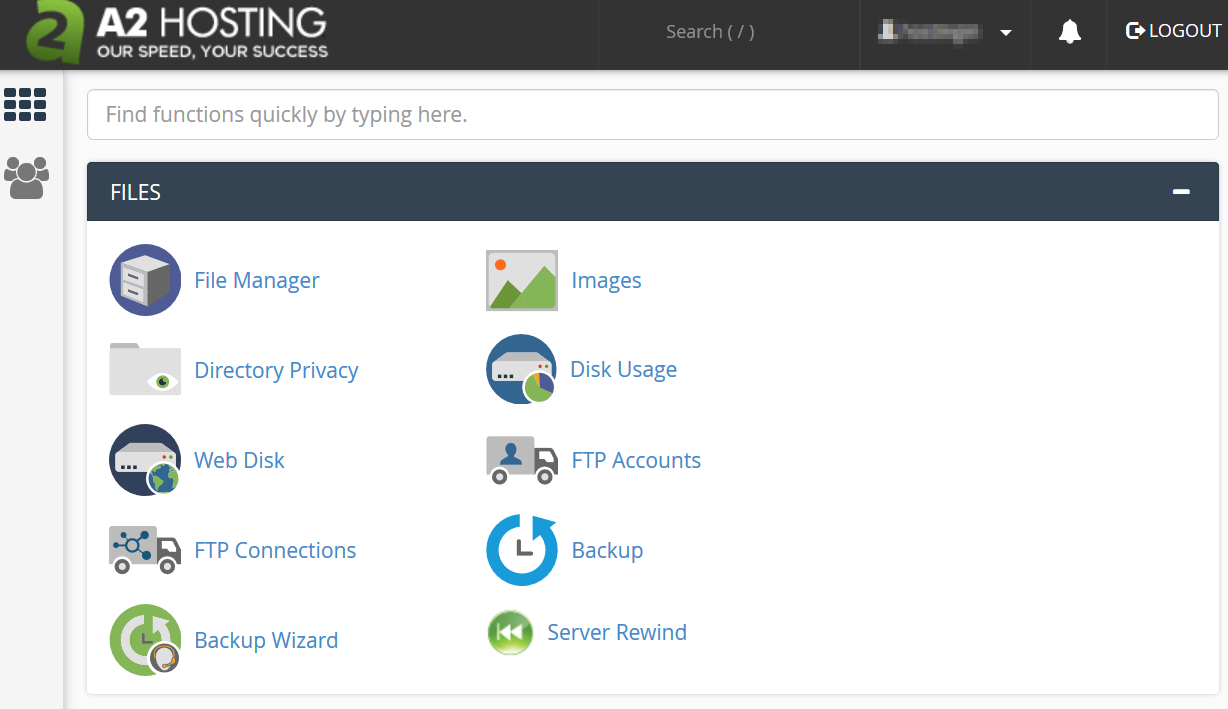
One of the company’s major milestones was an infrastructure revamp that modernized their customer portal, integrated the latest cPanel interfaces, and introduced their “Turbo” server configurations. These updates were designed to give developers and business owners greater control over caching mechanisms and resource allocations.
Infrastructure and Performance Analysis
A2 Hosting’s value proposition is heavily anchored on page load performance, particularly through their proprietary Turbo plans.
The Turbo Server Architecture
The Turbo tiers utilize LiteSpeed Web Server instead of standard Apache. LiteSpeed offers built-in caching modules (LSCache) and handles concurrent requests with significantly lower memory consumption. This architecture allows the servers to achieve fast response times, with empty-page Time to First Byte (TTFB) and content load times hovering around the 200ms mark under optimal conditions.
Developer Features and Storage
Unlike generic shared hosts that restrict command-line access, A2 Hosting plans are designed with developers in mind. Key offerings include:
- Version Control and Deployments: SSH access is standard, allowing for git integration and command-line package management.
- Resource Allocation: Solid State Drive (SSD) storage is standard across all tiers, providing faster database read/write cycles compared to traditional spinning disks.
- Flexible Runtimes: Support for multiple PHP versions, Python, Ruby, and Node.js allows developers to run non-standard applications without upgrading to a VPS.
Cost vs. Commitment
A2 Hosting positions its entry-level tiers competitively, often starting around $2.75 per month. However, like most legacy hosting providers, securing these promotional rates requires a long-term contract (typically 36 months). Shorter terms or month-to-month billing carry a higher fee.
Conclusion
For projects that require faster TTFB than typical shared hosts can provide, A2 Hosting’s Turbo plans offer a solid middle ground between low-cost shared environments and expensive dedicated VPS hosting. The inclusion of modern HTTP/3 support, SSD storage, and LiteSpeed caching makes it a compelling option for speed-optimized WordPress sites and small application backends.